

Companies are under statutory duties to take reasonably practicable safety measures to ensure their employees are safe and protected against the risks of fire. This duty extends to non-employees. The Health and Safety at Work Act 1974 created a general duty to safeguard staff, contractors and visitors, but the RRO creates specific obligations “for the effective planning, organisation, control, monitoring and review of the preventive and protective measures”.
It is commonly thought that the “competent person” is the responsible person, but this is wrong. Ultimately, the company and its senior management are responsible and liable. Under the RRO, companies are required to conduct, review and update their fire risk assessment (FRA), methods of issuing warnings, measures to facilitate easy and safe means of escape, and means of dealing with a fire. Generally, annual reviews are recommended, or following a fire incident or near miss.
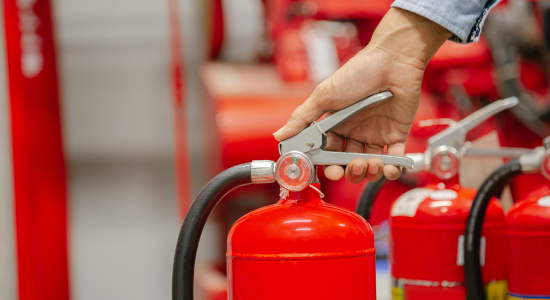
A “competent person” (a person with sufficient knowledge, experience and understanding of health and safety matters) will be appointed to act as a liaison officer dealing with safety agencies. Ultimate responsibility rests with the company, and these duties cannot be delegated under agreements or arrangements. However, third parties can be engaged to provide or maintain services in reliance upon, and to provide, reasonable and adequate safety measures. Examples include fire alarm engineers and engineers to provide and maintain fire extinguishers.
This means that the company, and in particular the Board of Directors, needs to carry out these obligations and ensure they are kept up to date with the measures being taken to discharge the duties. Although the company remains ultimately liable, individual directors and other company officers can be held personally liable under criminal law for their negligence, ignorance, connivance and failures which cause or contribute towards fires and fatalities, leading to personal fines and custodial sentences of up to 2 years.
Companies will either use in-house safety officers or external consultants to discharge their duties. It is crucial that whoever carries out this function has a sufficient level of fire safety expertise. This requires a firm commitment to invest in necessary fire safety measures, and a willingness to consult, communicate and educate staff. An FRA will be meaningless unless it is implemented rigorously, staff are informed and instructed on fire safety measures, and steps are taken to induct visitors. This should involve advice on the risks of fire, the means of raising an alarm, means of escape (with clear fire safety doors and unobstructed routes to escape) and a fire assembly area.
When planning building works, fire safety should be built into the plans, taking account of the nature and extent of the works to ensure fire safety. Architects, designers, engineers, etc. should have competence in this area. Companies are expected to check their competency levels before instructing them.
The Board or business must ensure they have a fire safety policy and fire safety management system which outlines who within the business is responsible for taking, overseeing or checking the required actions. Even if using external fire safety consultants, somebody within the business still needs to be responsible for fire safety and ensure that these actions are overseen and co-ordinated. These measures must be enforced strictly, and staff need to be educated and warned of deliberate non-compliance.
The fire safety legislation is complex and lengthy. This article is intended as a brief guide to summarise the main responsibilities of businesses, not just individuals. The Health and Safety Helpline is available for initial advice on 01455 852 028.